Mastering S.M.A.R.T Goals for Better Health
Mastering S.M.A.R.T Goals for Better Health
Setting goals is a powerful tool for achieving success in many aspects of life, particularly when it comes to health and wellness. By using the S.M.A.R.T goal-setting method, you can make your health goals more structured and attainable. Let’s explore how the S.M.A.R.T framework can shape your journey toward better health.
What Are S.M.A.R.T Goals?
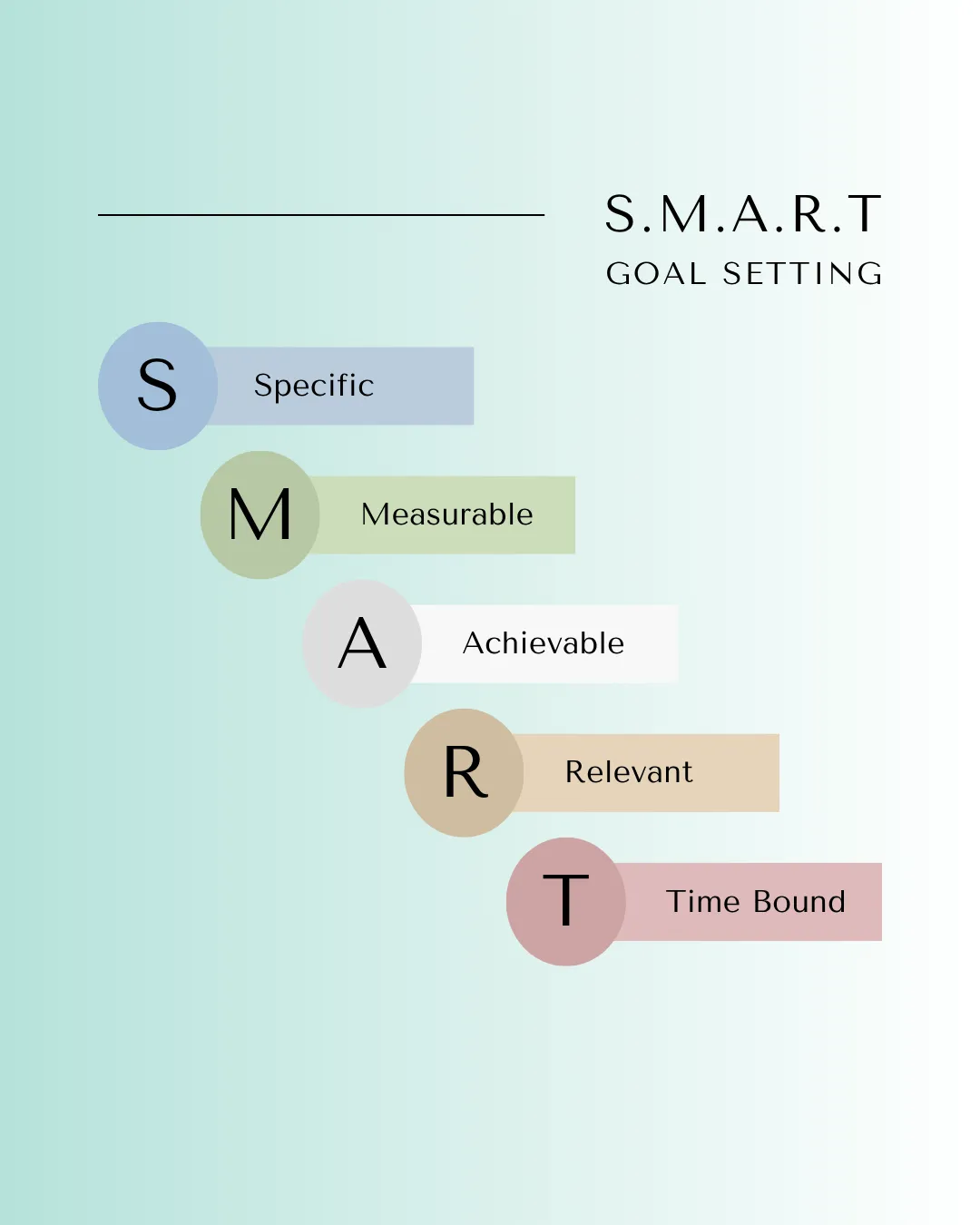
The S.M.A.R.T framework is a widely used tool for defining and pursuing goals. S.M.A.R.T stands for:
- Specific
- Measurable
- Achievable
- Relevant
- Time-Bound
Using these simple criteria, you can create clear and attainable health goals instead of vague or overwhelming objectives.
Breaking Down S.M.A.R.T Goals
Specific
A good goal is clear and specific so that you can focus your efforts efficiently. For example, instead of saying, "I want to get fit," aim to define what "fit" means for you. Is it running a 5K? Is it losing 10 pounds?
Tip: Ask the 5 W’s: Who, What, Where, When, and Why to sharpen your goal.
Measurable
Measuring your progress helps you stay motivated. It provides a way to track your success and know when a goal has been achieved. Instead of setting a goal to "exercise more," decide "I will exercise for 30 minutes, five days a week."
Tip: Use numbers or quantifiable measures.
Achievable
Goals should push your limits but still remain possible. Be realistic about what you can accomplish given your current resources, commitments, and time. While setting a goal to "run a marathon next month" may be inspiring, it’s more realistic to aim for "running a half-mile without stopping."
Tip: Consider what actions will help you achieve these goals.
Relevant
Ensure that each goal aligns with your broader life objectives. Ask yourself if this is the right time and if you are the right person to reach this goal. Health goals should align with personal values and have a meaningful impact.
Tip: Make sure the goal seems worthwhile and matches other needs.
Time-Bound
Every goal needs a target date, so you have a deadline to focus on. This timing must be realistic and create a sense of urgency. For instance, "I will lose 5 pounds by the end of the month" sets a clear timeframe.
Tip: Specify when you'll achieve this goal.
Why Use S.M.A.R.T Goals?
- Clarity: Simplifies what you're trying to achieve.
- Motivation: Regular progress checks increase motivation.
- Structure: Provides a clear path and steps to follow.
By following this method, you shift your mindset and actions to create real change in your health journey.
Applying S.M.A.R.T Goals to Your Health
Let’s apply S.M.A.R.T goals using an example. Suppose you want to "eat healthier." Here's how you can transform this aspiration:
- Specific: Decide to "include 3 servings of vegetables in my daily meals."
- Measurable: Track your progress with a journal noting each vegetable serving.
- Achievable: Start with vegetables at meals you frequently prepare.
- Relevant: Ensure this approach supports your overall desire for well-being.
- Time-Bound: Set an ambition to achieve this within three weeks.
By specifying goals like this, you transform intentions into concrete steps, making them easier to achieve.
Conclusion
Setting S.M.A.R.T goals is like constructing a bridge to where you want to be in your health journey. It involves thoughtful planning, patience, and adjusting as needed. Embrace this method to enhance not just your goals, but your overall lifestyle. Start today and notice the difference it can make.
